Serving All Youth: Inclusive Youth Programming

Unique areas of youth programming community rec centers can capitalize on to build better relationships.
Youth programming can commonly be limited to youth sports and summer camp, both of which teach camaraderie, promote belonging and provide foundational experiences. However, the value of other activities in the arts, professional development, academics and more cannot be understated. Especially for children who don’t connect as well with athletics or want to go away for camp, having other skill-building options can help you connect with your community.
For youth programming in the arts, theater is huge because it encourages similar values learned by being on a sports team. Some of these qualities include collaboration, working toward a common goal and confidence.
“There’s so much that happens in the audition and rehearsal room leading up to the actual stage,” said Erin Petersen, the creative program manager of JCompany (JCo) at the Lawrence Family JCC (LFJCC). “Really, we’re trying to cultivate a nice, safe space in order to explore these values and have a good time doing it. We try and have a great time putting these shows together and sharing them with the community.”
JCo is the LFJCC’s award-winning youth theater program that serves children from ages 4 to 18 with productions, classes, private lessons and more. Along with learning how to be on stage, Petersen explained how participants also practice empathy and connect with complex topics commonly in the pieces they’re putting on. “With sports, there’s a bunch of different components and skills they learn,” she said. “But in theater, there’s another layer of emotional literacy, connection and empathy. The more we develop and cultivate this, it can turn into something really beautiful and impactful.”
For example, JCo is currently putting on a production of “The Lightning Thief,” which has characters who live with ADHD and dyslexia. To help educate participants on these learning differences, an inclusion specialist came in to help students gain a broader understanding of these conditions.
“I hope [by participating in JCo] youth get a better understanding and appreciation for themselves as well as those around them,” said Petersen. “Not necessarily for them as an actor but in their fellow actors and the roles they’re playing. As we work through different productions, we ask ‘Why do these certain characters make these choices? Can we understand why someone would feel that way?’ It’s about getting a better understanding of those around us. We don’t want to lead with judgement but more so with curiosity. I hope they leave with a better understanding of the human experience.”
Another way LFJCC sees the success of the program is through parents’ satisfaction with what their child is learning. Particularly after the COVID-19 pandemic, Natasha Mullholland, the managing director of the Center for Jewish Culture at LFJCC, has noticed parents expressing the need for more youth social opportunities outside of a school setting which JCo provides. LFJCC is particularly strong in this sense as a community center that attracts participants from all over the San Diego, California area.
“We get kids from everywhere from all kinds of different schools,” explained Mullholland. “They get to meet new people and work with them in this totally different environment than what they’re used to. This is extremely valuable, and parents have seen how much it has contributed to the life of their child.”
Petersen further underscored the value of community that’s created by almost 70 youth coming together to put on a show. Seeing the shared goal become realized is an astonishing experience for everyone involved.
“There’s always a moment during rehearsals of doubt if we can pull a performance off, but we always do, and they’re always surprised by what they can accomplish,” said Petersen. “Parents are always amazed at what can be accomplished and what their kid can do. And herding all of them to do one thing at the same time goes to show they want to be a part of this story. They want to be a part of this community and work together to do this hard thing.”
Another way community rec centers are serving youth is by providing professional development opportunities. Similar to arts programming, these initiatives help students build on values they’ll use throughout their lives involving self-discovery, professionalism and determination.
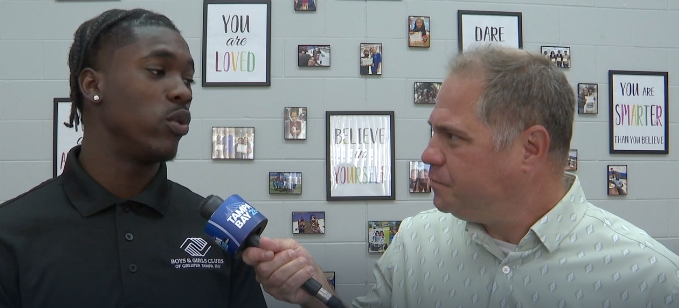
The Boys and Girls Club of the Suncoast (BGC Suncoast) has a plethora of offerings for teenagers interested in fields like health care, finance and different skill trades. The main goal of its workforce readiness programming is to provide youth with the tools to learn about and gain experience in the career fields that interest them.
“We believe each individual journey is going to be theirs, and the most important thing is to empower them to feel confident in the decision they’re making, rather than telling them exactly what they need to do,” explained Ryan Becker, the director of workforce readiness at BGC Suncoast. “It’s our job to empower them to feel confident and that they have a strong plan for the future by facilitating these great opportunities. Most times, they’re learning directly from industry experts and folks doing great things in their area.”
Opportunities to learn about different industries can begin a lot sooner than one may think. While most hands-on opportunities, including shadowing, apprenticeships and internships, are reserved for high schoolers, the workforce readiness program helps those as young as 10 years old.
For example, BGC Suncoast invites nursing students from the local University of South Florida to come teach younger students about germ spreading and the importance of washing hands. These sessions can spark a lifelong interest in health care. From there, BGC Suncoast college and career coordinators can help provide information on how to go into the field. Furthermore, high school juniors and seniors can become employed in local hospitals thanks to a partnership with the local BayCare Healthcare systems.
While the program aims to help youth wanting to go into any career field, there are five key industries it focuses on that reflect the local job market and general trends. These are construction, hospitality and culinary, health care, finance, and IT.
“We’re very intentional about targeting certain partnerships in these five industries because they support the region we’re in,” explained Becker. “Because there are a lot of opportunities in these areas, we’d be doing a disservice to the youth we’re serving if we weren’t trying to potentially spark the interest in these great careers. We look at it all as the opportunity to be able to give back to our community and be able to fulfill the needs of our region.”
Working with community partners, like BayCare, to provide these opportunities is paramount to the success of the program. By working with other entities like BayCare, Bank of America and Habitat for Humanity, these opportunities for youth to gain career-shaping experiences are guaranteed.
“The world of workforce readiness is a buzzword all around because most every organization is hiring,” said Becker. “Every single day at the Sun Coast, we have the most incredible youth in our community walking through those doors, being empowered and built up and developing the skills needed to be successful in the community. So the more community partners and businesses that hear of the work we’re hopeful to continue doing, the better. But more importantly, the youth we have in our clubs that could serve in those roles as well is a perfect collaboration.”
By finding ways to appeal to the variety of interests your youngest members may have, you can better connect with different sects of your community. Development opportunities outside of traditional sports and camps can provide valuable opportunities for children to affirm their passions. By helping them along the way, you can play a vital part in their long-term success and fulfillment.
Originally Posted: January 23, 2025